
Evidence-based wellness programs are interventions whose design and expected outcomes are supported by peer-reviewed research, government registries, or systematic reviews. They use replicable methods, pre-specified outcomes, and documented study designs, not vendor testimonials or single-site pilots. If you're an HR leader or benefits manager trying to cut through the noise, the fastest path forward is to start with a vetted registry, confirm the study design behind any program you're considering, and check your legal obligations before you tie any incentives to health outcomes.
Quick checklist before you commit to a program:
- Check at least one registry: NCOA Evidence-Based Programs Finder, ODPHP workplace evidence-based resources, or CDC workplace health resources
- Confirm the study design: randomized controlled trial (RCT), cluster RCT, quasi-experimental study, or systematic review
- Verify ACA compliance: if you're tying incentives to health outcomes, your program must offer a Reasonable Alternative Standard (RAS) and disclose it in all materials
Pro Tip: When scaling a registry-listed program, resist the urge to customize heavily before you've run a pilot. Fidelity to the original design is what the evidence was built on. Adapt only after you have your own outcome data.
Key Takeaways
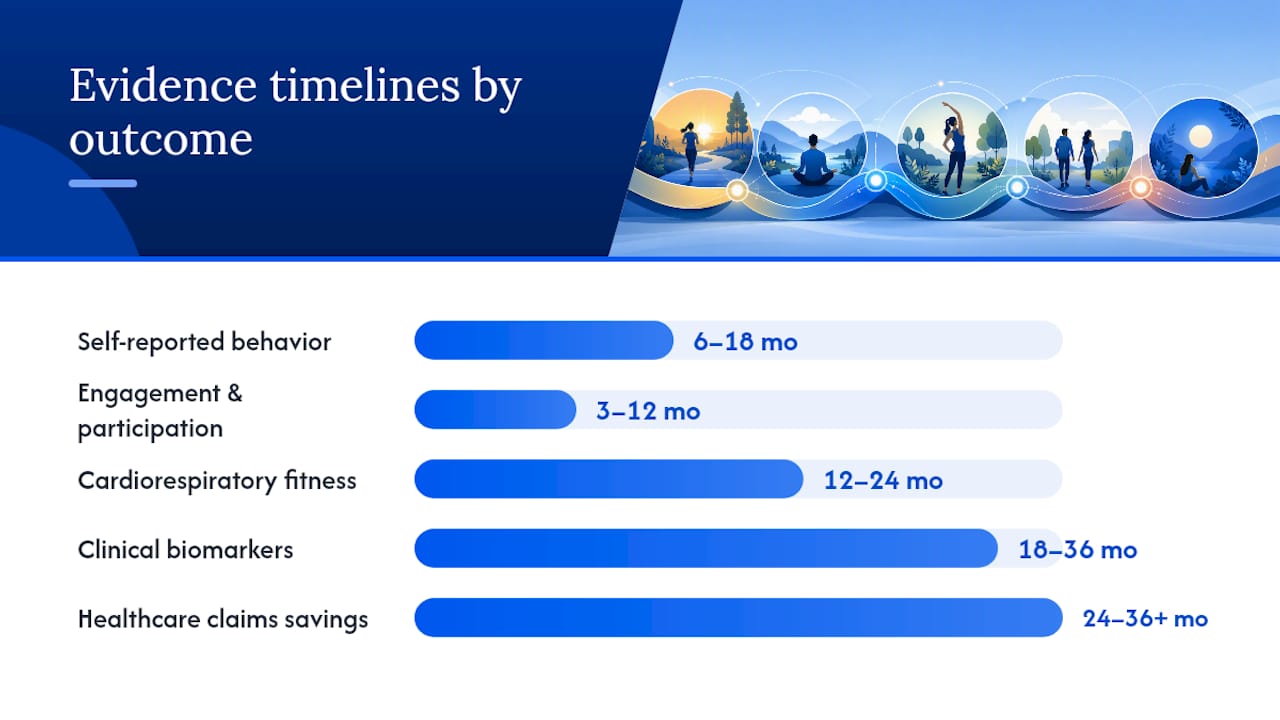
Evidence-based wellness programs reliably improve self-reported behaviors within 12–18 months, but clinical and cost outcomes typically require 24–36 months and independent evaluation to measure credibly.
| Point | Details |
|---|---|
| Start with registries | Use NCOA, ODPHP, and CDC resources to find programs with documented study designs before evaluating vendors. |
| Insist on study design | Require RCT or quasi-experimental evidence; reject programs backed only by vendor-funded self-reports. |
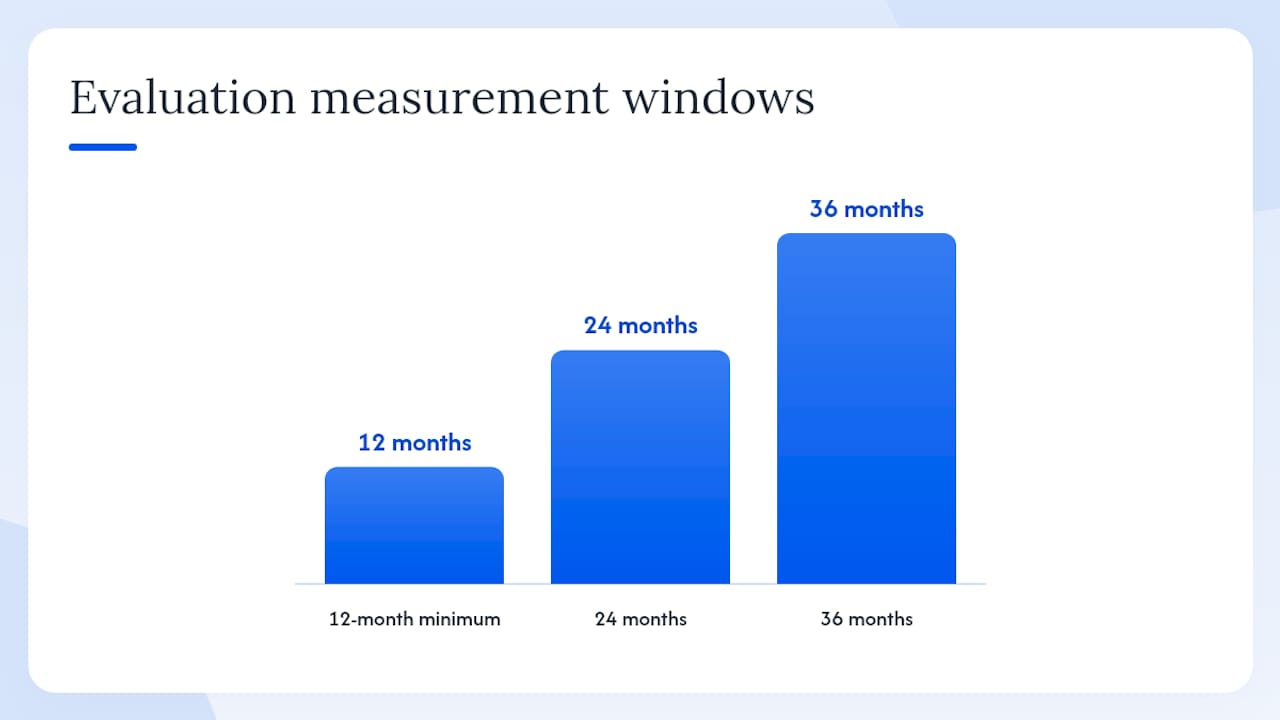
| Plan your evaluation before launch | Pre-specify KPIs at 12, 24, and 36 months and pair self-reported measures with objective claims or biometric data. |
| Comply with ACA/RAS requirements | Disclose Reasonable Alternative Standards in all program materials and document physician accommodations from day one. |
| Hadaco's performance-based model | Hadaco delivers registry-aligned programs with no upfront fees, quarterly outcome reporting, and RAS compliance support. |
Table of Contents
- Where to find vetted evidence-based wellness programs
- What actually counts as evidence in workplace wellness
- What the peer-reviewed evidence actually shows
- How to implement programs and stay compliant with U.S. regulations
- Program types with solid evidence behind them
- How to choose and procure a program: a practical framework
- What recent research tells us about realistic expectations
- The tradeoff most HR leaders don't talk about openly
- Hadaco helps you implement programs and measure what matters
- Sources
Where to find vetted evidence-based wellness programs
The most reliable starting point is a government-maintained or peer-reviewed registry. These databases filter out programs that lack documented study designs, so you're not starting from scratch when evaluating vendor claims.
NCOA Evidence-Based Programs Finder The National Council on Aging maintains a searchable database of programs reviewed for evidence quality, target population, and implementation requirements. Many programs in the NCOA registry qualify for Title III-D funding under the Older Americans Act, which matters for community health planners and employers working with aging workforces. You can filter by health condition, setting, and population to narrow results quickly.
ODPHP / HealthyPeople Workplace Resources The Office of Disease Prevention and Health Promotion lists 25 workplace-related evidence-based resources, covering vaccination campaigns, nutrition and physical activity interventions, and occupational safety programs. Each entry links to program descriptions and implementation materials. This is the right place to start when you need a program that aligns with federal Healthy People objectives.
CDC Workplace Health Model and DPP Pages The CDC Workplace Health Model provides a structured framework for planning, implementing, and evaluating programs across four domains: assessment, planning, implementation, and evaluation. Separately, the CDC National Diabetes Prevention Program is one of the most thoroughly documented registry-listed interventions available, with well-replicated outcomes for reducing diabetes risk in high-risk adults.
ACL Disease Prevention Program Listings The Administration for Community Living maintains program listings and funding guidance for community-based evidence-based programs, particularly for older adults. Employers with community health partnerships or multi-generational workforces will find this registry useful for identifying programs eligible for federal prevention funding.
How to use these registries efficiently:
- Apply population and setting filters first to eliminate programs designed for a different context
- Download or request program manuals before contacting vendors, so you can compare fidelity requirements
- Cross-reference any program across at least two registries before committing to procurement
- Note whether the registry specifies the study design that earned the listing (RCT, quasi-experimental, replication study)
What actually counts as evidence in workplace wellness
Not all evidence is equal, and vendors know that. A single-site pilot with self-reported outcomes and no control group is not the same as a cluster randomized trial replicated across multiple employers. Understanding the hierarchy matters before you sit across from a vendor in an RFP meeting.
The evidence hierarchy, from strongest to weakest:
- Systematic reviews and meta-analyses: Pooled analysis of multiple studies; the strongest signal when heterogeneity is low
- Randomized controlled trials (individual or cluster): Random assignment to program or control; the clearest test of causal effect
- Well-designed quasi-experimental studies: Pre/post with a matched comparison group; acceptable when RCTs are not feasible
- Program replication reports: Independent replications of a registry-listed program in a new setting; useful for confirming generalizability
- Single-site self-report studies: Weakest; high risk of bias, no causal inference
Quality markers to require from any vendor:
- Pre-specified primary outcomes (not outcomes selected after data collection)
- Objective measures: biometric screenings, claims data, or validated instruments, not just surveys
- Intention-to-treat analysis (all enrolled participants counted, not just completers)
- Adequate sample size and a follow-up period of at least 12 months
- Independent evaluation, meaning the evaluator was not the program developer or funder
Red flags that should slow you down:
- Outcomes reported only at 3 or 6 months with no longer follow-up
- No control or comparison group
- Vendor-funded reports without peer review or third-party audit
- Effect sizes that look dramatically better than published RCTs for the same program type
Pro Tip: Add a data access clause to every vendor contract. Require that you receive aggregate outcome data in a format you can share with your own evaluator. If a vendor resists this, that resistance is itself a data point.
What the peer-reviewed evidence actually shows
The honest summary: workplace wellness programs reliably move self-reported behaviors, but their effects on clinical biomarkers and healthcare spending within the first 18–36 months are limited and inconsistent. That's not a reason to abandon them. It's a reason to set the right expectations before you promise your CFO a specific ROI figure.
A large cluster randomized trial published in JAMA found that a multicomponent workplace wellness program raised some self-reported healthy behaviors, including regular exercise and active weight management. Clinical biomarkers, healthcare spending, and employment outcomes showed no significant differences at 18 months. The three-year follow-up, published in Health Affairs, found that those behavior changes persisted, but clinical measures and medical spending remained statistically indistinguishable from the control group through year three.
A 2023 systematic review of physical-activity-based workplace programs found improvements in cardiorespiratory fitness, muscle strength, and some productivity measures. The review also found that heterogeneity across study designs and populations makes it impossible to identify a single superior program modality, and most studies did not report economic outcomes at all.
| Outcome category | Evidence strength | Typical timeline |
|---|---|---|
| Self-reported behavior change (exercise, diet, weight management) | Moderate to strong | 6–18 months |
| Engagement and participation rates | Moderate | 3–12 months |
| Cardiorespiratory fitness and muscle strength | Moderate (physical-activity programs) | 12–24 months |
| Clinical biomarkers (blood pressure, glucose, cholesterol) | Weak to mixed | 18–36 months |
| Healthcare claims savings | Weak to mixed | 24–36+ months |
| Employment outcomes (absenteeism, presenteeism) | Weak | 24–36 months |
On incentive design specifically: a PMC study comparing participation-based and outcome-based incentives found no statistically significant differences in program participation or achievement of health improvement targets between the two designs when controlling for demographics and program characteristics. That finding should inform how you spend your incentive budget.
How to implement programs and stay compliant with U.S. regulations
Getting the program right operationally is as important as picking the right program. Fidelity to the original design, a clear incentive structure, and documented ACA compliance all affect both your outcomes and your legal exposure.
Step-by-step implementation checklist:
- Conduct a workforce health needs assessment. Use claims data, biometric screening results, and employee surveys to identify the top three to five modifiable health risks in your population.
- Select a registry-listed program that matches your population profile, organizational capacity, and budget. Cross-reference NCOA, ODPHP, and CDC resources.
- Assess vendor fidelity requirements. Understand which program elements are core (non-negotiable for evidence validity) versus adaptable (delivery format, scheduling).
- Design your incentive structure. Decide between participation-based and outcome-based incentives based on your population, legal review, and the evidence above.
- Run a pilot with a defined evaluation plan. Set a 12-month minimum measurement window with pre-specified KPIs before scaling.
- Designate staff champions. Peer-level program advocates consistently improve engagement in employer settings.
- Integrate data systems. Connect program participation data with claims and biometric data for meaningful outcome tracking.
- Build your evaluation plan before launch. Define what you'll measure, how, and at what intervals (12, 24, 36 months).
ACA compliance and incentive design
The ACA final regulations for incentives-based wellness programs require that health-contingent programs disclose the availability of a Reasonable Alternative Standard in all program materials, accommodate physician recommendations, and provide RAS contact information wherever the program is described. HIPAA nondiscrimination rules also apply: incentives tied to health outcomes must be available to all similarly situated individuals, and the program must be reasonably designed to promote health or prevent disease.
Participation-based incentives (rewarding enrollment or completion of activities, not achieving a specific health metric) carry lower regulatory risk and are easier to administer equitably. Outcome-based incentives can drive stronger engagement in some populations but require more rigorous compliance documentation. The PMC research cited above suggests the participation difference between the two designs may be smaller than many employers expect.
Pro Tip: Document every physician accommodation request and your response in a centralized log. If a regulatory complaint arises, that documentation is your first line of defense. Proactive RAS disclosure and a clean accommodation record reduce legal exposure significantly.
For more on wellness incentive design ideas that balance engagement with compliance, the practical tradeoffs are worth reviewing before you finalize your incentive structure.
Program types with solid evidence behind them
Different program categories have different evidence bases. Matching the right program type to your workforce's actual risk profile is more important than picking whatever is trending.
-
Tobacco cessation programs. Among the most consistently effective interventions in workplace settings. Combination approaches (pharmacotherapy plus behavioral counseling) show the strongest cessation rates in RCTs. Registry-listed cessation programs are available through NCOA and ODPHP. Target outcome: quit rates and sustained abstinence at 6 and 12 months.
-
CDC National Diabetes Prevention Program (DPP). A CDC-recognized, registry-listed program with well-replicated outcomes for reducing diabetes risk in adults with prediabetes. The DPP uses a structured lifestyle-change curriculum delivered by trained coaches over 12 months. It's one of the few workplace wellness programs with both strong RCT evidence and a formal recognition process that confirms fidelity. Target outcome: 5–7% body weight reduction and increased physical activity.
-
Vaccination campaigns. High evidence base, low implementation complexity. Worksite flu vaccination programs consistently increase vaccine uptake compared to community-only approaches. ODPHP lists vaccination interventions in its workplace evidence-based resources. Target outcome: vaccination rates by employee segment.
-
Digital behavior-change programs. App-based or web-based programs for physical activity, nutrition, stress management, and sleep have grown significantly. Evidence quality varies widely. Look for programs with RCT support, validated behavior-change frameworks (such as motivational interviewing or cognitive behavioral therapy components), and objective outcome tracking. Target outcome: engagement rates, self-reported behavior change, and biometric trends at 12 months.
-
Weight management programs. Structured programs with dietary counseling, physical activity components, and behavioral support show consistent effects on self-reported weight management behavior. Clinical weight outcomes (BMI, body fat percentage) are more variable. The DPP is the strongest example in this category. Target outcome: weight-related behavior change and, where feasible, biometric measures at 12–24 months.
-
Mental health and stress management interventions. Employer-sponsored mental health programs, including Employee Assistance Programs (EAPs) with structured counseling access, mindfulness-based stress reduction, and cognitive behavioral therapy-based digital tools, have growing evidence for reducing absenteeism and improving self-reported mental health. The Surgeon General's workplace well-being priorities highlight mental health as a federal priority for employer programs. Target outcome: reduced absenteeism, improved self-reported mental health scores, and EAP utilization rates.
-
Physical activity programs. The systematic review evidence supports improvements in fitness and some productivity measures, but the effect on clinical outcomes and costs is less clear. Programs with structured group components and peer accountability tend to outperform purely self-directed approaches. Target outcome: cardiorespiratory fitness measures and self-reported activity levels at 12–24 months.
How to choose and procure a program: a practical framework
This is where most employers lose time. A clear procurement sequence prevents you from spending months evaluating programs that don't fit your population or can't meet your evidence requirements.
Ordered procurement checklist:
- Complete a workforce health needs assessment using claims data and biometric screening results
- Set a budget range and confirm whether you're seeking a participation-based or outcome-based incentive structure
- Define your timeline: pilot launch date, 12-month evaluation checkpoint, and scale decision date
- Search registries (NCOA, ODPHP, CDC) and shortlist three to five programs that match your population and setting
- Issue an RFP or vendor questionnaire to shortlisted programs
- Evaluate vendor responses against your evidence and compliance criteria
- Negotiate data access and evaluation clauses before signing
- Define your KPI framework and baseline measurement approach before launch
Vendor questions that separate strong programs from weak ones:
- What is the study design behind your program's evidence base? (Require RCT or quasi-experimental at minimum)
- Has your program been independently evaluated, and can you share the published results or evaluation reports?
- What are the core fidelity requirements, and what adaptations are permitted?
- What aggregate outcome data will you provide, and at what intervals?
- Can you provide references from employers with similar workforce demographics?
- How do you support ACA RAS disclosure and physician accommodation documentation?
KPI framework and measurement windows:
- Engagement metrics (months 3–12): Enrollment rate, session completion rate, active participation rate by department
- Behavioral outcomes (months 6–18): Self-reported exercise frequency, dietary behavior, tobacco use, and stress levels using validated instruments
- Clinical outcomes (months 12–36): Biometric screening results (blood pressure, glucose, BMI, cholesterol) compared to baseline
- Utilization and claims indicators (months 18–36): Emergency department visits, preventive care utilization, chronic disease management claims
- Financial outcomes (months 24–36+): Per-employee healthcare cost trends versus a matched comparison group or historical baseline
For a deeper look at measuring corporate wellness ROI and aligning program goals with benefits spend, the KPI alignment questions are worth working through before you finalize your evaluation plan.
What recent research tells us about realistic expectations
The research picture on workplace wellness is more nuanced than either enthusiastic vendors or skeptical critics suggest. Understanding the actual limitations of the evidence helps you make better procurement decisions and set defensible expectations with leadership.
The most important finding from the major trials is the gap between behavioral and clinical outcomes. The JAMA cluster RCT and its three-year Health Affairs follow-up together show that behavior change is achievable and durable, but that behavioral improvements do not reliably translate into measurable changes in clinical markers or healthcare spending within the timeframes most employers use to evaluate ROI.
The systematic review of physical-activity programs makes a related point: heterogeneity across study designs, populations, and program types makes it genuinely difficult to generalize from any single study. A program that worked well in a manufacturing workforce may not replicate in a sedentary office population, even if both are listed in the same registry.
Several structural limitations recur across the research:
- Short follow-up periods. Most studies measure outcomes at 12–18 months. Clinical and cost effects, if they materialize, often require 24–36 months or longer.
- Self-reported outcomes. Many studies rely heavily on self-report for behavioral outcomes, which are subject to social desirability bias and recall error.
- Publication bias. Programs with positive results are more likely to be published; the true average effect across all implementations is probably lower than the published literature suggests.
- Heterogeneity. Effect sizes vary substantially by program type, population, delivery format, and employer context. No single modality dominates.
The practical implication: pair self-reported behavior measures with objective claims or biometric data, pre-specify your measurement timelines at 12, 24, and 36 months, and resist the temptation to declare success or failure at 6 months. Programs that show strong behavioral engagement at 12 months are worth continuing even when clinical markers haven't moved yet.
Pro Tip: Require third-party evaluation as a contract term, not an afterthought. An independent evaluator reviewing your claims data at 24 months gives you defensible numbers for your CFO and protects you from vendor-reported outcomes that may not hold up to scrutiny.
The tradeoff most HR leaders don't talk about openly
The evidence on evidence-based wellness programs is genuinely mixed, and the honest answer to "will this pay off?" is: probably not in the way your vendor's ROI calculator suggests, and probably not within your first budget cycle.
That's not a reason to skip these programs. Sustained behavior change, documented in multiple large trials, is a real and meaningful outcome. Employees who exercise more regularly and manage their weight more actively are healthier over time, even when that doesn't show up in claims data at 18 months. The clinical and cost effects are real; they're just slower and smaller than the wellness industry has historically advertised.
The smarter framing for HR leaders is this: treat the first 12–18 months as a behavior-change investment, not a cost-reduction play. Set your KPIs accordingly. Measure engagement, behavioral outcomes, and program fidelity in year one. Measure clinical trends and utilization shifts in year two. Reserve claims-based ROI analysis for year three, and even then, use a matched comparison group rather than a simple before/after comparison.
Pilots matter more than most employers realize. Running a 12-month pilot with a defined evaluation plan before scaling to your full workforce reduces procurement risk substantially. If the pilot shows strong engagement and behavioral movement, you have a defensible case for expansion. If it doesn't, you've learned that before committing your full benefits budget.
The common implementation barriers that derail otherwise well-designed programs are worth reviewing before launch. Most of them are preventable with better planning, not better programs.
Hadaco helps you implement programs and measure what matters
Employers who've worked through the procurement checklist above know the hardest part isn't finding a registry-listed program. It's building the infrastructure to measure outcomes, stay compliant, and demonstrate savings to leadership on a timeline that doesn't require three years of patience.
Hadaco delivers population health programs for employers that address chronic disease, preventive care, mental health, and employee engagement, all integrated with your existing benefit plans without disruption. The model is performance-based: no upfront fees, with service costs tied to demonstrated healthcare savings and engagement outcomes. Employers typically see an average savings of $451 per employee in the first year. Hadaco's savings estimator and quarterly reporting give you the numbers you need for internal accountability, and the platform supports ACA RAS disclosure documentation so compliance doesn't fall through the cracks.
To see what your workforce's savings potential looks like, request a savings estimate from Hadaco and schedule a consultation with their team.
Sources
These are the primary sources U.S. employers and community health planners should consult when selecting programs, designing incentives, and verifying legal compliance.
- Outcome-based and Participation-based Wellness Incentives: Impacts on Program Participation and Achievement of Health Improvement Targets - PMC
- ACA Final Regulations for Incentives-based Wellness Programs – Healthier Workforce Center of the Midwest
- Workplace — Evidence-Based Resources - odphp
This article is general information, not a substitute for advice from a qualified doctor. Consult a qualified healthcare professional about your own circumstances before acting on anything here.