
The fastest, highest-impact action for employers is to combine mailed stool-based testing (FIT) with paid screening leave and a closed-loop follow-up and navigation workflow. This pairing addresses the main barriers at once: access, time, and drop-off after an abnormal result. The CDC's CRCCP implementation evaluations and partners like us at Hadaco both point to measurable gains in participation when these pieces work together. Start by auditing your current benefit for FIT coverage this week.
TL;DR:
- Combining mailed FIT kits with paid screening leave and follow-up navigation significantly increases screening participation, with improvements up to 26.7 percentage points.
- Ensuring your health plan covers FIT and colonoscopy costs with no employee share and offering 4 to 16 hours of paid leave can remove key barriers to screening.
- Distributing kits alone results in low completion rates; adding reminders and a clear follow-up process is essential for higher engagement.
- A three to six month pilot focusing on eligible employees, defined roles, and minimal metrics enables effective testing before broader implementation.
- Regular, privacy-sensitive messaging through diverse channels improves participation, with low-pressure framing outperforming mandates.
Table of Contents
- Priority checklist: six high-impact employer actions to deploy quickly
- Evidence summary: what the research shows employers should prioritize
- Workplace policy levers that remove structural barriers
- Step-by-step pilot: plan, partner, run, evaluate
- Communications and engagement: messages, channels, and privacy-sensitive tactics
- How a population health partner supports program design and measurement
- Three pragmatic next steps for HR leaders
- Launch a screening program without disrupting your current plan
- FAQ
- Sources
- Authoritative resources and toolkits for immediate use
Priority checklist: six high-impact employer actions to deploy quickly
HR teams do not need a massive overhaul to move the needle on screening. A short, sequenced plan gets most of the benefit with the least disruption to existing benefits.
- Distribute mailed or workplace FIT kits with a clear return process and a named person responsible for tracking results.
- Send automated reminders to both employees and their primary care providers, since both reminder types independently raise completion.
- Offer paid screening leave, commonly structured in 4 to 16 hour blocks, so employees do not have to use personal time off.
- Provide navigation support for anyone with an abnormal FIT result, specifically to schedule the follow-up colonoscopy quickly.
- Set a measurement baseline using claims data, a HEDIS-style metric, or an internal health risk assessment.
- Fold screening messages into events you already run, like open enrollment or an existing wellness challenge.
None of these actions requires replacing your current health plan, only layering outreach and logistics on top of it.
Evidence summary: what the research shows employers should prioritize
The CDC's Colorectal Cancer Control Program and the Community Guide point to four interventions with the strongest evidence: reducing structural barriers, provider assessment and feedback, patient reminders, and provider reminders. Employers do not need to deploy all four at once, but programs that combine more than one tend to outperform single-tactic efforts.
- Reducing structural barriers (mailed kits, no-cost follow-up) removes the most common reason employees delay screening.
- Patient and provider reminders, used together, reinforce each other rather than duplicating effort.
- Multicomponent programs produced the largest measured gains across CRCCP evaluation sites.
Across CRCCP implementation sites, screening participation increased by roughly 4.9 to 26.7 percentage points, depending on which interventions were layered together. That range matters because a single untargeted mailing rarely moves the needle on its own. A worksite pilot in eastern Washington distributed free FIT kits and found that about 9% of eligible employees received a kit while only 4% completed screening with it, a reminder that distribution alone is not enough without reminders and a navigation path for results.
Workplace policy levers that remove structural barriers
Policy changes cost little relative to their effect on participation, and most can be written into existing business health insurance benefits for Florida employers communications without renegotiating your plan.
- Paid screening leave: workplace examples show 4 to 16 hours granted annually for preventive screenings, enough to cover prep time, the appointment, and recovery from sedation if a colonoscopy is needed.
- Coverage checks: confirm your plan covers FIT and follow-up colonoscopy with no employee cost-sharing, since a positive stool test followed by an unexpected bill is a common reason people stop at that step.
- Incentives: small, equitable rewards (gift cards, team-based point systems) can nudge completion, but should never substitute for addressing real logistical barriers.
Pro Tip: Tie your screening leave policy to the same approval process as other preventive care, so employees do not need a separate request or explanation to their manager.
Step-by-step pilot: plan, partner, run, evaluate
A focused three to six month pilot lets you test the approach before committing to a company-wide rollout.
- Define the eligible population: typically employees in the recommended screening age range, excluding anyone already up to date or flagged at higher risk needing colonoscopy instead of FIT.
- Select partners: your health plan for coverage confirmation, a lab vendor for kit fulfillment, and a navigation partner or EAP for follow-up support.
- Build the operational checklist: order kits, set a reminder cadence, define result routing, confirm return logistics, and assign who logs completion data.
- Assign roles and a timeline: HR owns communications, benefits owns coverage questions, and a single point of contact owns navigation follow-up.
- Track minimal metrics: kits distributed, kits returned, percentage screened, and time to follow-up colonoscopy after an abnormal result.
Communications and engagement: messages, channels, and privacy-sensitive tactics
Messaging works best when it normalizes the topic rather than pressures employees into action.
- Use short videos or peer stories rather than clinical language alone, paired with multilingual flyers for a diverse workforce.
- Offer a private channel, like a confidential email or EAP line, for employees with questions they would not ask in a group setting.
- Time outreach around open enrollment, wellness events, or employee birthdays rather than as a standalone campaign.
- Avoid coercive framing; invite opt-in navigation and consider a "screening buddy" option for employees who want company.
Our wellness engagement work with employers consistently shows that voluntary, low-pressure framing outperforms mandates for sensitive health topics.
How a population health partner supports program design and measurement
Designing and running this kind of program alongside existing benefits takes coordination most HR teams do not have bandwidth for. We built our approach at Hadaco to complement current plans rather than replace them, combining evidence-based outreach with a transparent savings estimator and quarterly outcome reporting so employers can see real numbers, not projections. Employers who work with us often see measurable savings alongside improved engagement in the first year. When evaluating any partner for this work, ask how they measure follow-up completion after an abnormal result, how often they report data, and whether their approach disrupts your existing plan design.

Three pragmatic next steps for HR leaders
Start this month: confirm your plan's FIT and colonoscopy coverage, choose one pilot tactic from the checklist above, and set a measurement plan before launch, not after. Employee trust matters as much as the numbers. A program that feels like surveillance will fail even if the data looks good on paper.
— Gene
Launch a screening program without disrupting your current plan
We handle the coordination employers do not have time for: evidence-based outreach, navigation support after abnormal results, and quarterly reporting that shows what actually changed. There are no upfront fees, and our programs are built to work alongside your existing benefits rather than replace them. Employers working with us have seen average year-one savings alongside better engagement and retention.
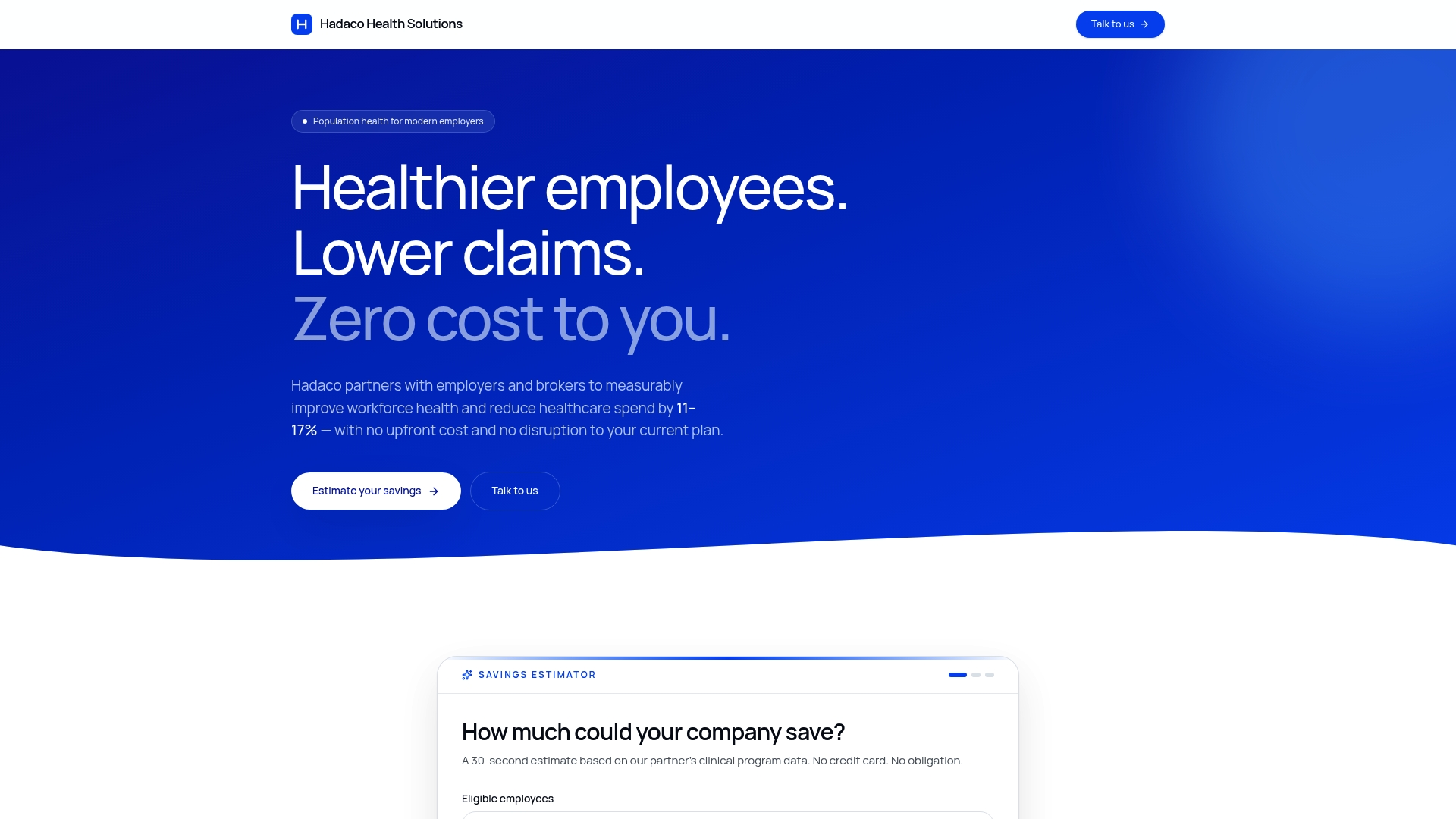
If you want a clear picture of what this could look like for your workforce, try our savings estimator or book a consultation to see where screening outreach fits into your broader health strategy.
This article is general information, not a substitute for advice from a qualified doctor. Consult a qualified healthcare professional about your own circumstances before acting on anything here.

FAQ
What is the single best first step for colon cancer screening at work?
Start by confirming your health plan covers FIT testing and follow-up colonoscopy with no employee cost-sharing, then add paid screening leave. Combining access with time off removes the two most common barriers before you spend money on outreach.
How much paid leave should employers offer for screening?
Workplace examples show 4 to 16 hours of paid leave granted annually for preventive screenings, enough to cover an appointment or a colonoscopy with recovery time. The right amount depends on whether employees are completing a stool test alone or a follow-up procedure.
What screening rate increase should employers expect?
Results vary by which interventions are combined, but CRCCP implementation sites saw increases ranging from about 4.9 to 26.7 percentage points. Programs pairing mailed FIT kits with reminders and navigation tend to land toward the higher end.
Why do workplace FIT kit programs sometimes see low completion?
A Spokane pilot found that about 9% of eligible employees received kits while only 4% completed screening with them, showing that distribution alone is not enough. Reminders and a clear follow-up path for results make the difference between a kit sitting in a drawer and a completed test.
How does Hadaco measure the impact of a screening program?
We provide quarterly reporting on engagement and outcomes alongside a transparent savings estimator, so employers can track progress without waiting a full year for results. This sits on top of your existing plan rather than requiring any changes to it.
Sources
You cannot show improvement without a starting point, and the data source you choose shapes what you can report.
- Role of an Implementation Economics Analysis in Providing the Evidence Base for Increasing Colorectal Cancer Screening (CDC, 2020)
- Implementation and Process Evaluation of a Workplace Colorectal Cancer Screening Program in Eastern Washington (NIOSH/CDC)
- Workplace programs and paid leave examples (CDC stacks)
- CDC colorectal cancer screening guidance
Authoritative resources and toolkits for immediate use
- CDC implementation economics analysis: evidence base and cost data behind the four priority interventions.
- CDC colorectal cancer screening guidance: eligible ages and screening modalities to align your messaging.
- Eastern Washington workplace pilot study: real-world implementation data on FIT distribution and completion.
- Workplace paid leave case studies: examples of leave policies that reduced time-related barriers.