
A workable grief support program that workplace teams can adopt today brings together bereavement leave, manager training, counseling access through your EAP and referral pathways, reintegration accommodations, and clear communications. Together they protect retention, engagement, and continuity when an employee loses someone. Templates, manager scripts, and a rollout plan follow, so you can move from policy gap to pilot quickly.
TL;DR:
- The C.A.R.E. model pairs accommodation and emotional support with communication and recognition, areas employers often neglect when they focus mainly on leave.
- Train managers to follow the employee’s lead, offer workload or schedule changes, check in, and refer concerns to HR or a clinician when needed.
- Write policies that define relationships, documentation, and leave overlap; include chosen family, and offer support for pet or colleague losses even when paid leave differs.
- Pair confidential EAP counseling with peer and team options, since employees often prefer informal support from managers and colleagues over EAP services alone.
- Pilot in one department, train managers through practice, then revise before wider launch; track uptake and return to work anonymously or with consent.
Table of Contents
- What belongs in a grief support program that workplace leaders can trust?
- What should managers say to a grieving employee?
- Which bereavement leave and return-to-work policies should HR adopt?
- How do you roll out a workplace grief program step by step?
- What does the research say about supporting grieving employees?
- How do you measure whether the program is working?
- Why grief support belongs in your population health strategy
- Build grief support into an outcome-driven health program with us
- FAQ
- Sources
What belongs in a grief support program that workplace leaders can trust?
The C.A.R.E. model names four pillars: Communication, Accommodation, Recognition, and Emotional support. Researchers note that employers tend to overemphasize leave while neglecting communication and recognition, so build all four.
- Leave and flexibility: Offer paid bereavement days, then flexible scheduling or reduced duties afterward, since grief does not end when leave does.
- Counseling access: Pair your EAP with virtual sessions, on-site options, and community referrals, and remind employees that use is confidential.
- Peer support: Train a few willing colleagues as peer allies, or host a low-pressure team check-in for those who want one.
- Manager support: Give managers language and training before they need it (scripts follow below).
- Communications and recognition: Use a short, respectful announcement template that the grieving employee approves, and agree in advance on any memorial or acknowledgment.
The Children's Bereavement Center describes a workplace grief program built as a menu of supports, training, and resources, which is a useful model if you want options rather than one fixed offering. Its workplace grief page also collects manager guidance and communication tips.
What should managers say to a grieving employee?
Most managers freeze because they fear saying the wrong thing. A script removes that fear. Use the first-contact language below, then the follow-up cadence.
- First contact (call, text, or email): "I'm so sorry about your loss. Take the time you need. I'll cover your work, and HR will share what leave and support are available. You don't need to reply right now."
- Offering adjustments: "If it would help, we can shift deadlines, reduce your workload for a couple of weeks, or swap shifts. Tell me what would make things easier."
- Return-to-work check-in: Meet privately when the employee returns, then continue checking in over time. Ask, "What's helping and what isn't?"
- Remote or reduced options: Offer a phased return, remote days, or lighter duties, and revisit the arrangement at each check-in.
- Training checklist: Cover role-play of these conversations, privacy rules, and escalation triggers for when to involve HR or a clinician.
Guidance from the National Center for PTSD stresses that grief responses vary, so follow the employee's lead and keep checking in overtime. Skip platitudes such as "they're in a better place," listen more than you advise, and keep boundaries clear.
Pro Tip: Have managers practice the first-contact script aloud once with a peer. The wording feels awkward on paper and natural after one rehearsal.

For private micro-practices that fit a brief conversation, the exercises in this grief-in-sobriety plan show how short, scripted steps can make hard moments easier to handle.
Which bereavement leave and return-to-work policies should HR adopt?
Put the essentials in writing so no manager improvises.
- Core items: Define covered relationships, notice expectations, documentation (keep it minimal), and how bereavement leave overlaps with sick, family, or vacation time.
- Alternatives to fixed days: Consider leave-sharing among coworkers, discretionary paid time for extended travel or complex losses, and intermittent leave for the months after.
- Copy-ready snippet: "Employees may take up to [number] paid days following the death of a family member or someone of comparable importance, and may request additional flexible time through HR."
- Return-to-work snippet: "On return, the employee and manager will agree on a short-term plan covering schedule, workload, and check-in dates."
- Equity: Apply the same standard to every role and location, include chosen family, and treat losses such as a pet or a colleague as eligible for support, even if the paid days differ.
An overview of Oregon's bereavement leave benefit also notes that EAPs are valuable but often underused, which is another reason to layer peer and team-level options on top.
How do you roll out a workplace grief program step by step?
Start small, learn, then scale.
- Assemble stakeholders: Involve HR, legal or benefits, a few managers, and an employee resource group or employee representative.
- Draft the policy and scripts: Use the snippets above and have legal review them.
- Run a pilot: Choose one department or location and confirm who owns each task and date.
- Train managers: Offer a live session with role-play, plus a script sheet for later.
- Set up peer support: Recruit volunteers, give them clear limits, and tell them when to hand off to a professional.
- Launch communications: Brief managers first, then announce to employees, then open a resource hub with the policy, EAP details, and referral pathways.
- Review and expand: Collect feedback at the end of the pilot and adjust before going company-wide.
For broader design context, our guide to employee mental health programs shows where grief support fits among related benefits.
What does the research say about supporting grieving employees?
The evidence points to a few practical lessons.
- Communication and recognition matter as much as leave. The C.A.R.E. research found employers often stop at accommodation.
- Informal support carries weight. In a nationwide survey in Germany, employees often preferred informal support from managers and colleagues, and grief-related training was scarce.
- EAP-only approaches leave gaps. Our overview of EAP alternatives covers peer-informed options that fill them.
Informal manager and colleague support is often preferred, which is why manager training sits at the center of this program.
How do you measure whether the program is working?
Pick a few measures you can actually collect, and report them on a steady rhythm.
- Program uptake: Track how many eligible employees use leave, counseling, or peer support, in aggregate only.
- Manager training completion: Record the share of managers who finished training and role-play.
- Satisfaction pulse: Send a short, anonymous survey a few weeks after return to work.
- Return-to-work trajectory: Note how smoothly people resume duties, using manager logs with the employee's consent.
- Retention after loss: Look at who is still with you after a few months, without singling anyone out.
Collect data anonymously or on an opt-in basis, and never use it to evaluate an individual. In a regular report, show the numbers, a few anonymized comments, and the changes you plan to make. Then feed results back into training, policy wording, and communications. Our guide on care gap closure shows how to connect these measures to broader health outcomes.
Why grief support belongs in your population health strategy
Grief is a health event, not just an HR event. Unresolved grief carries health-damaging effects, and an employee who feels seen after a loss is far more likely to stay engaged. We build employee health programs on evidence and measurable results, and we think grief support deserves the same discipline. My advice: do not wait for a perfect program. Pilot something small, measure it, and improve it.
— Gene
Build grief support into an outcome-driven health program with us
Grief support works best when it sits beside your other benefits, not apart from them. We deliver evidence-based population health programs that complement your existing plans rather than disrupting them, and we offer no upfront fees.
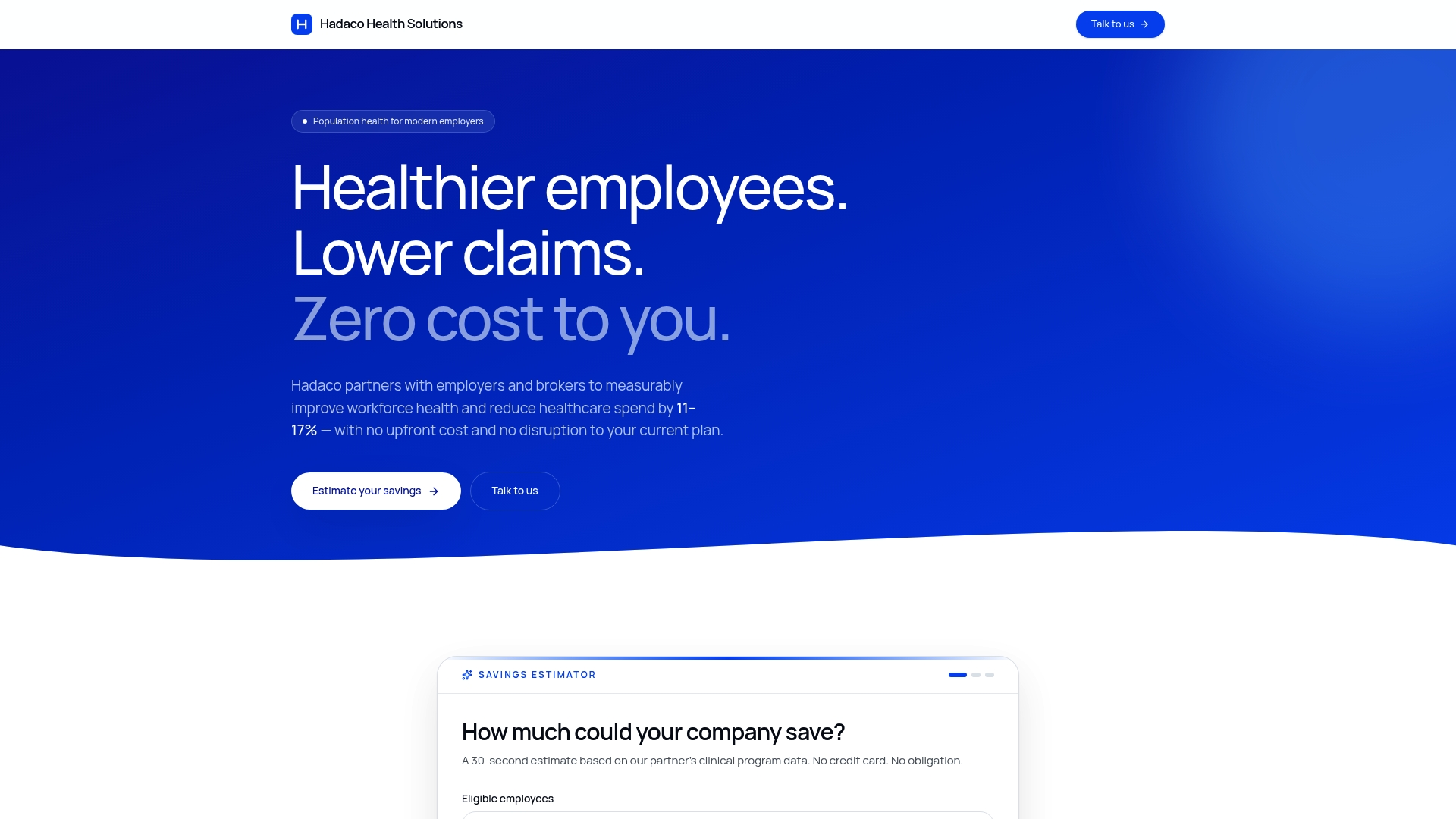
- Complements your benefits: Our programs work alongside the plans you already have.
- Transparent savings estimator: See projected savings before you commit.
- Regular reporting: Get measurable outcomes and real accountability.
- Whole-person focus: Chronic disease, preventive care, mental health, and engagement are covered together.
Ready to see how grief-aware support fits your workforce? Book a consultation with us and we will walk you through it.
This article is general information, not a substitute for advice from a qualified doctor. Consult a qualified healthcare professional about your own circumstances before acting on anything here.
FAQ
How can you support a coworker who is grieving?
Acknowledge the loss briefly and sincerely, offer specific help such as covering a task, and avoid platitudes. Follow their lead on how much they want to talk, and check in again in the weeks after. Guidance for leaders stresses that simple gestures and patience matter most.
What should a grief group curriculum include?
A typical curriculum covers understanding grief responses, coping strategies, communication, and when to seek clinical help. The Children's Bereavement Center offers a workplace grief support program with training and resources that employers can adapt.
How long should someone take off work when grieving?
There is no single right length, and needs vary by person and relationship. Offer a set number of paid days plus flexible options such as phased returns and intermittent leave. Legal requirements differ by location, so check with counsel.
When does grief need professional help?
When intense grief persists and keeps someone from functioning over a long period, a clinician should evaluate it. Columbia's prolonged grief resource describes the signs and evidence-based treatments.
Sources
- Pubmed
- For Leaders: Helping Employees in the Aftermath of Loss - PTSD: National Center for PTSD
- Workplace Grief Support - Children's Bereavement Center
- Workplace Mental Health - Grief